
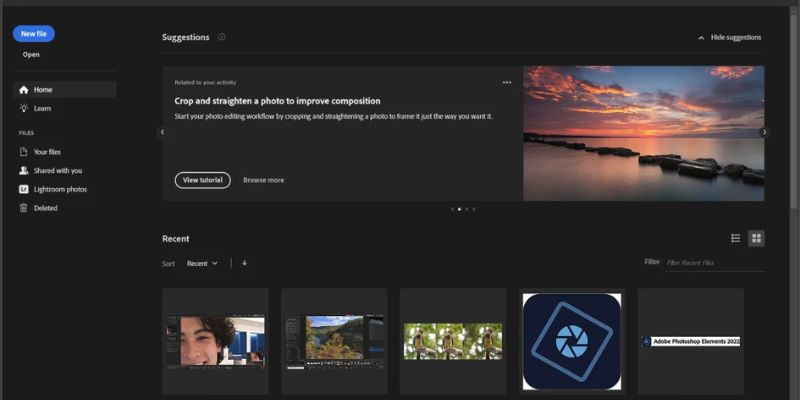
For many years, Adobe Photoshop has been the industry standard for digital art, graphic design, and photo editing. Millions of people use Photoshop to produce beautiful images, from hobbyists and students to marketing firms and professional photographers. However, many users have questioned whether they can still use Photoshop without paying a monthly or annual charge after Adobe established its Creative Cloud subscription plan. Some people long for the days when software could be bought with a single payment.
Others, however, are just looking for a less expensive solution for sporadic editing. The response is not as clear-cut as a yes or no. You can also learn through FITA Academy. The version of Photoshop, how you want to use it, and if you’re searching for legal substitutes all play a role. By being aware of Adobe’s licensing model, the options offered, and the constraints of each option.
Why Did Adobe Switch Photoshop to a Subscription Model?
When Adobe released Adobe Creative Cloud in 2013, Photoshop became a subscription service. Prior to then, consumers could buy a perpetual license, which gave them unlimited usage of a particular version. Although many customers found this strategy appealing, Adobe thought that subscriptions would offer a more long-term means of delivering ongoing improvements. Subscribers now receive frequent updates, new features, bug fixes, security enhancements, and compatibility improvements all year round instead of having to wait years for significant software releases.
Cloud storage, device file syncing, Adobe Fonts, and connectivity with other Creative Cloud apps are all included in the subscription model. According to Adobe, this strategy guarantees that everyone has access to the newest technology while producing a more uniform user experience. While some users value these regular updates, others believe that repeated fees raise long-term expenses, particularly if they use Photoshop infrequently or for personal projects.
Can You Legally Use Photoshop Without an Active Subscription?
Depending on the version you own, you may or may not be able to use Photoshop without a membership. Because Adobe periodically checks your license, current versions of Creative Cloud require an active subscription. When your subscription expires, the application goes into restricted mode, making the majority of its editing features inaccessible. You can also learn through Photoshop Classes in Chennai for expert guidance. However, provided they are still compatible with their hardware and operating system, users who bought older perpetual-license versions like Photoshop CS6 or earlier may keep using those versions.
Due to the differing licensing terms under which they were released, these older editions do not require a subscription. Nevertheless, these programs are no longer supported or updated by Adobe, which may eventually result in security and compatibility problems. Unauthorized or pirated copies of Photoshop should be avoided since they violate copyright laws, frequently contain viruses, and could put your personal information at serious danger for insecurity.
What Options Are Available If You Do Not Want a Subscription?
There are a number of respectable options if you would rather not pay for a continuous subscription. Before committing to a membership, consumers can test out Photoshop’s capabilities with Adobe’s free trial. Discounted Creative Cloud plans may be available to educators and students, lowering the cost of the program. You can keep using Photoshop CS6 if you already have a perpetual license, even if it might not function properly with the newest operating systems. In addition to Adobe, many customers opt for desktop or web-based solutions that either don’t require payment at all or only demand a one-time purchase.
A variety of editing features are available for various creative requirements with programs like GIMP, Krita, Photopea, Affinity Photo, and Pixelmator. These programs are appealing choices for independent contractors, students, and hobbyists on a tight budget since they provide strong tools for picture editing, illustration, and graphic design, even though they might not be able to match every feature of Photoshop.
Subscription-Based Photoshop Versus Non-Subscription Options
Your workflow and expectations will play a major role in your decision between Photoshop’s membership model and a non-subscription option. The newest features, cloud collaboration, AI technologies, regular updates, and smooth integration with other Adobe programs like Illustrator, Lightroom, and Premiere Pro are all available with a Creative Cloud subscription. You can learn it form Training Institute in Chennai with expert guidance. Professionals overseeing intricate creative tasks will find this ecology very beneficial. Non-subscription options, on the other hand, frequently entail a one-time purchase or free access, doing away with ongoing expenses.
These substitutes might, however, be devoid of some sophisticated features, Adobe workflow compatibility, or ongoing software updates. Many contemporary improvements, such as cloud services and AI-powered editing features, are also absent from older permanent versions of Photoshop. These restrictions might not be important to infrequent users. However, professional photographers, designers, and agencies frequently profit from Adobe’s subscription-based platform’s dependability, ease, and continuous innovation.
Legal and Ethical Considerations of Using Photoshop Without Paying
Sometimes users look for unofficial Photoshop versions in order to avoid paying subscription fees. Although downloading cracked or pirated software may seem to save money at first, there are serious ethical, legal, and technological concerns involved. Unauthorized software may have legal repercussions based on local laws since it breaches software licensing agreements and copyright laws. More significantly, ransomware, spyware, malware, and hidden code are sometimes present in pirated software, which can jeopardize bank information, corporate files, and personal data. Systems are particularly susceptible to intrusions because software downloaded from unapproved sources lacks security updates.
Because software engineers spend years researching, designing, testing, and innovating professional applications, ethical considerations are also important. In addition to ensuring that customers receive secure updates, bug patches, and technical support, supporting legitimate software helps finance future advancements. In the end, selecting legal software safeguards your digital security as well as your creative output.
Popular Alternatives to Photoshop
Excellent options available on the market that suit a range of budgets and ability levels. One of the most popular free and open-source image editors is GIMP, which provides sophisticated editing features and plugin support for seasoned users. These are the benefits of photoshop. Because of its superior brush engine and painting capabilities, Krita is especially well-liked by concept artists and digital illustrators. With an interface akin to Photoshop, Photopea functions completely within a web browser, making it easy to make rapid modifications without the need to install software.
By providing sophisticated editing tools for a one-time payment rather than a subscription, Affinity Photo has established a solid reputation among professional photographers. Another strong choice for consumers in the Apple ecosystem is Pixelmator Pro. Option will depend on your workflow and editing needs because each application has advantages and disadvantages. You can find the program that best suits your creative objectives by investigating several possibilities.
How to Choose the Right Solution for Your Creative Needs
The complexity of your projects and how often you produce visual content will determine which editing program is best for you. Photoshop’s many features, industry interoperability, and frequent upgrades make a subscription worthwhile for professional designers, photographers, and creative companies. Free trials or educational discounts may offer inexpensive access for novices and students as they hone their talents.
Photo editors who are hobbyists may find that free or one-time purchase options satisfy all of their needs without ongoing costs. Budget, feature requirements, compatibility with current workflows, the necessity for cloud collaboration, and long-term software support should all be taken into account before making a choice. You can assess usability by testing several programs using free trials or open-source versions. By carefully weighing your alternatives, you can be sure that the software you purchase will support both your budgetary needs and your creative aspirations.
End Suggestion
Although Photoshop is still one of the most potent creative tools on the market, there are other ways to alter images with professional quality other using its subscription plan. Users with previous perpetual-license editions can keep using them if their computers are still compatible, even if the most recent versions require an ongoing Creative Cloud subscription. There are a number of competent alternatives available to those who would rather not subscribe, such as browser-based, open-source, free, and one-time buy apps.
Your budget, long-term creative objectives, and editing requirements will ultimately determine the best option. A Photoshop subscription is highly valuable if you need sophisticated capabilities, smooth integration, and ongoing innovation. However, alternative software can produce outstanding outcomes without recurring costs if your tasks are less demanding or money is a significant factor. You may create an innovative workflow that is efficient and long-lasting by being aware of your possibilities and selecting legal software.